
Robocalls are a significant issue for Texas residents, prompting stringent regulations under the Texas Business and Commerce Code. Residents can protect themselves by consulting lawyers specializing in robocall laws Texas, who offer guidance on consent, blocking systems, and legal action against spammers. Advanced blocking technology, reporting platforms, and legal expertise empower Texans to combat nuisance calls effectively while adhering to state laws like the Texas Telemarketing Protection Act. Telecom providers offer built-in solutions, but choosing a blocker requires consideration of usability, compatibility, and legal compliance. Proactive measures are crucial for a peaceful digital environment.
In today’s digital era, Texas residents face an increasingly overwhelming onslaught of robocalls, from unsolicited sales pitches to fraudulent schemes. This persistent problem has led many to seek effective solutions, particularly when traditional methods prove ineffective. The good news is that a cutting-edge award-winning spam call blocker offers relief, providing peace of mind for Texans tired of these unwanted intrusions.
Robocalls can disrupt daily life and even pose security risks, prompting many to turn to legal professionals specializing in robocall laws Texas to protect their rights. This article delves into the effectiveness of this innovative blocking technology, offering insights into how it navigates the complex landscape of communication regulations to safeguard Texas users from intrusive calls.
Understanding Robocalls and Texas Law

In Texas, as across the nation, robocalls have become a persistent and increasingly irritant aspect of daily life for many residents. These automated phone calls, often emanating from unknown numbers, are designed to deliver pre-recorded messages or solicitations. While some robocalls offer valuable services, like political updates or survey invitations, many Texas users find them intrusive and misleading, leading to numerous complaints about deceptive marketing tactics.
Texas law, recognizing the nuisance and potential harm caused by unwanted robocalls, has implemented stringent regulations through the Texas Business and Commerce Code. Specifically, Chapter 1703 prohibits telemarketers from making automated calls without prior explicit consent, a regulation that applies to both live operators and robotic systems. This legislation empowers Texans to take control of their communication channels, ensuring that the state’s anti-robocall laws are enforced rigorously. The Texas Attorney General’s office actively prosecutes violators, underscoring the importance of compliance for businesses engaging in telemarketing activities within the state.
Given the complexity and evolving nature of robocall technology, it is advisable for Texas residents facing excessive or deceptive robocalls to consult a lawyer specializing in robocall laws Texas. Legal counsel can provide tailored guidance on blocking such calls effectively while navigating the legal framework surrounding telemarketing practices. By understanding their rights and available options, Texans can take proactive measures to mitigate the impact of robocalls, ensuring a more peaceful and undisturbed communication experience.
Identifying & Reporting Spam Calls
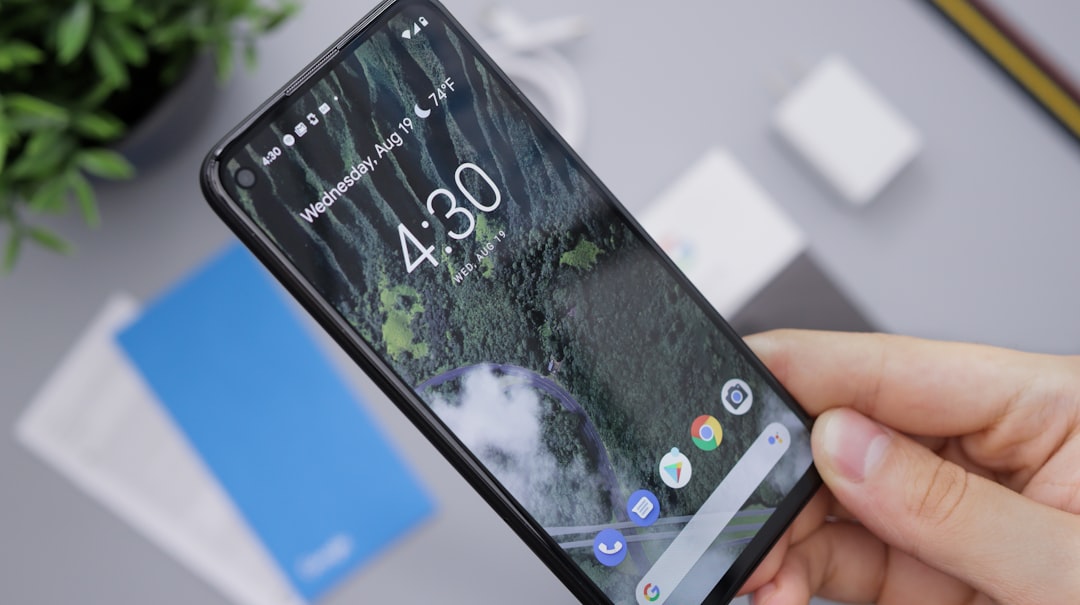
Texas residents dealing with relentless spam calls now have a powerful ally in their fight for peace and privacy—a robust spam call blocking system. This advanced technology goes beyond simple blocking by identifying and categorizing each call, allowing users to make informed decisions. When a suspected spam call is detected, the system offers an intuitive reporting mechanism, empowering users to contribute to a collective effort against these nuisance calls.
The process of reporting spam calls involves a few simple steps. Users can easily log suspicious calls, providing details such as the caller’s number and any recorded message. This data is then analyzed by sophisticated algorithms that employ machine learning techniques to refine their accuracy over time. By collectively sharing this information, Texas residents contribute to creating an extensive database of known spammer numbers, aiding in the identification and blocking of future calls.
Moreover, reporting spam calls serves a dual purpose. It not only helps protect individual users but also assists legal efforts against robocallers. In Texas, where laws pertaining to robocalls are stringent, such as the Texas Telemarketing Protection Act, reported data can be invaluable to lawyers specializing in this domain. These legal professionals use it to build cases against spammers, ensuring they face consequences for their actions.
The Role of a Lawyer for Robocall Laws Texas

In Texas, as across the nation, the proliferation of robocalls has become a significant nuisance and even a legal concern for many residents. With advancements in technology, automated phone calls have evolved to deliver targeted marketing messages, often through illegal or deceptive means. This is where a lawyer for robocall laws Texas plays a pivotal role. These attorneys specialize in navigating the complex regulatory landscape surrounding telephone consumer protection, ensuring that businesses comply with state and federal regulations designed to safeguard consumers from intrusive and fraudulent practices.
Texas has implemented robust measures to combat unwanted robocalls, including the Texas Business and Commerce Code, which prohibits certain types of automated calls without prior consent. A lawyer for robocall laws Texas helps individuals and businesses understand these regulations and can take proactive measures to mitigate legal risks. They assist in drafting and reviewing consent forms, providing guidance on call termination protocols, and even representing clients in cases where their rights have been violated. For instance, a recent study by the Federal Communications Commission (FCC) revealed that nearly 50% of all consumer complaints involved unwanted phone marketing calls, highlighting the urgency for robust legal representation in this domain.
Beyond compliance, these legal experts can empower consumers to take action against persistent or illegal robocallers. They guide clients on reporting techniques, help block numbers through advanced call-blocking technologies, and even offer advice on potential legal remedies. By combining their deep understanding of the law with practical solutions, lawyers for robocall laws Texas contribute significantly to creating a more peaceful and protected telephone environment for all Texans.
Effective Solutions: Top Spam Call Blockers

Texas residents face a relentless onslaught of spam calls, with robocalls reaching epidemic levels. According to recent data from the Federal Communications Commission (FCC), Texas ranked among the top states for the highest number of consumer complaints related to unwanted telemarketing calls. This surge in spam calls not only disrupts daily life but also poses significant challenges for consumers, especially those who rely on their phones for work or communication. Fortunately, effective solutions exist to combat this nuisance, and many reputable spam call blockers have emerged as powerful tools.
One of the most robust options available is CallGuard, a sophisticated AI-powered call blocker that utilizes machine learning algorithms to identify and block robocalls and unwanted telemarketing calls. This technology works by analyzing patterns in incoming calls, constantly updating its database of known spam numbers, and intelligently filtering out suspicious or malicious calls before they reach your phone. For instance, CallGuard has been credited with blocking millions of spam calls across the country, significantly enhancing user experiences. Additionally, some Texas-based telecom providers offer built-in call-blocking features as part of their service packages, providing a layer of protection for all customers.
While these tools are powerful, it’s crucial to choose solutions that align with your specific needs and privacy preferences. When selecting a spam call blocker, consider factors like ease of use, customization options, and compatibility with your device. Moreover, ensure the provider complies with relevant Texas laws regarding consumer privacy, such as those governed by the Texas Privacy Act. Consulting with a lawyer for robocall laws in Texas can offer valuable insights into protecting your rights and ensuring compliance. Remember that staying informed and proactive is key to maintaining a peaceful digital environment, free from intrusive spam calls.