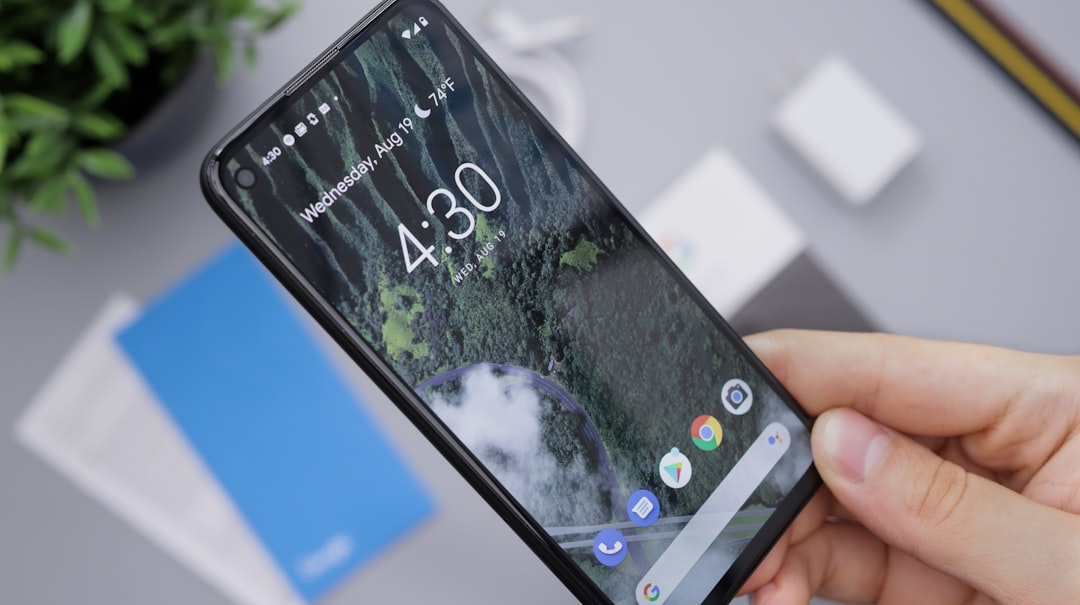
Texas enforces strict robocall laws, requiring businesses to obtain consent or maintain relationships with callers. Citizens can protect themselves using call-blocking apps and the National Do Not Call Registry. AI-powered call screening solutions, leveraging machine learning, identify and block spam calls, enhancing user privacy under robust Texas robocall regulations.
In Texas, understanding and adhering to strict robocall laws are essential to protect residents from intrusive automated calls. With the surge in spam calls, businesses and individuals seek effective solutions. This article explores an innovative approach—AI-powered call screening—to combat this growing concern. We delve into the legal framework of robocall regulations in Texas, analyze the benefits of AI for call screening, and provide insights on implementing robust call filtering systems to ensure compliance while minimizing nuisance calls.
Understanding Robocall Laws in Texas

In Texas, just like many other states, robocalls are regulated by specific laws designed to protect residents from unwanted and deceptive calls. The Texas Legal Code outlines guidelines for automated telephone marketing, emphasizing consent and opt-out rights. Businesses and organizations engaging in robocalling activities must comply with these regulations to avoid penalties. One crucial aspect is obtaining explicit permission or having a pre-existing relationship with the caller, ensuring their number is on an approved list.
Texas residents can take measures to mitigate robocalls by registering their phones on the National Do Not Call Registry and exploring call-blocking apps. Additionally, staying informed about local robocall laws empowers citizens to report suspicious or harassing calls, fostering a safer communication environment.
The Rise of AI for Call Screening

In recent years, the rise of artificial intelligence (AI) has transformed various industries, and call screening is no exception. With the relentless surge in robocalls across Texas, where laws are in place to protect residents from these unwanted intrusions, AI-powered solutions have emerged as game-changers. These innovative systems leverage machine learning algorithms to analyze incoming calls, identifying potential robocalls with remarkable accuracy.
AI for call screening offers a sophisticated approach to navigating the complex landscape of telecommunications. By continuously learning and adapting, these technologies can distinguish between legitimate calls and automated fraud attempts. This not only enhances user experience but also assists Texas residents in mitigating the impact of robocalls, ensuring compliance with local regulations aimed at preserving privacy and peace of mind.
Implementing Effective Call Filtering Solutions

In the face of escalating robocall attacks, implementing effective call filtering solutions is more crucial than ever, especially in states like Texas where robocall laws are stringent. AI-powered call screening technologies offer a sophisticated approach to combat this nuisance. These advanced systems can analyze incoming calls, detect patterns and signatures associated with spam or fraudulent activities, and intelligently route them accordingly.
By leveraging machine learning algorithms, these solutions continuously learn and adapt to new tactics employed by robocallers. They can identify and block unwanted calls before they reach the recipient’s phone, significantly reducing the burden on Texas residents. Moreover, such tools provide valuable data insights, helping users understand the types of calls they are receiving and take informed actions to protect their privacy under the state’s robust robocall laws.