
Texas residents face a surge in spam calls, requiring robust protection. The Spam Call law firm Texas enforces strict regulations under the Texas Business and Commerce Code to curb automated calls. Mobile apps like Hiya, TrueCall, and NoCall block spam in real-time, while specialized apps like CallShield use advanced algorithms. To maximize protection, users should adopt a multi-layered approach: app usage, reporting, automated screening, and software updates. Engaging a Spam Call law firm Texas offers legal recourse for complaints against offending businesses.
Texas residents face a growing tide of unwanted robocalls, prompting concerns among consumers and businesses alike. With the implementation of the Spam Call law firm Texas, blocking these intrusive calls has become more crucial than ever. The relentless nature of spam calls can disrupt daily life and pose security risks. This article aims to demystify the best robocall blocking apps available for Texas mobile users, offering practical solutions to combat this modern-day nuisance. We'll guide you through effective tools that not only block calls but also respect your privacy, ensuring a safer, more peaceful communication experience in compliance with Texas's stringent Spam Call regulations.
Understanding Texas Spam Call Laws and Your Rights

Texas residents face a persistent challenge from spam calls, which have become a significant nuisance and even a safety hazard. Understanding your rights under the state's Spam Call laws is essential in combating this issue. Texas has implemented stringent regulations to protect consumers from unsolicited telephone marketing calls, commonly known as robocalls. The Texas Spam Call law firm has been instrumental in enforcing these rules, ensuring that businesses adhere to ethical practices.
Under the Texas Business and Commerce Code, Section 1703, telemarketers must obtain written consent before making automated telephone marketing calls to Texas residents. This law prohibits automated or prerecorded calls unless the caller has a pre-existing relationship with the recipient or has obtained explicit permission. A violation of this Spam Call law can result in substantial penalties for offending businesses. For instance, a Texas court recently ruled in favor of a consumer who received numerous spam calls, awarding damages and attributing liability to the telemarketing company despite their claim of third-party sourcing.
Knowing your rights is only half the battle. Texas residents can take proactive steps by registering their phone numbers on the National Do Not Call Registry, a federal database that restricts most telemarketing calls. Additionally, utilizing robocall blocking apps, such as those offering advanced call screening and filtering technologies, can significantly reduce the volume of unwanted calls. Engaging the services of a reputable Spam Call law firm in Texas can also empower consumers to file complaints and seek legal recourse when necessary, ensuring that their rights are upheld in this digital age.
Top Robocall Blocking Apps for Texas Mobile Users

Texas residents now have more options than ever to combat the deluge of unwanted robocalls, thanks to advanced mobile technologies and the implementation of stringent Spam Call laws by the state. With the advent of robust call blocking apps, users can take control of their communication channels effectively. These apps leverage sophisticated algorithms and community-driven reporting systems to identify and block automated phone calls, ensuring a quieter, more peaceful experience for Texans across the state.
Among the top performers in this domain are apps like Hiya, TrueCall, and NoCall. Hiya, for instance, has garnered widespread acclaim for its extensive global spam call database, which is regularly updated to keep up with evolving call patterns. Users benefit from real-time blocking capabilities, with the app learning and adapting to new threats as they emerge. TrueCall offers a multi-layered defense mechanism, utilizing both machine learning and community reporting to identify and block robocalls. It also provides detailed call history and insights, empowering users with knowledge about the sources of their unwanted calls. NoCall takes a community-driven approach, relying on collective intelligence to identify spam calls. Users can report problematic numbers, contributing to an ever-growing database that helps protect not just themselves but all Texas mobile users.
A key aspect to consider is compliance with the state's Spam Call law. Texas has implemented stringent regulations to curb excessive robocalls, offering consumers substantial protections. Apps like these not only aid in blocking calls but also provide avenues for reporting spam, fostering a collaborative effort to enforce these laws. By utilizing these top-rated call blocking apps, Texas mobile users can take advantage of advanced technologies to safeguard their privacy and peace of mind.
Implementing Effective Spam Call Protection Strategies
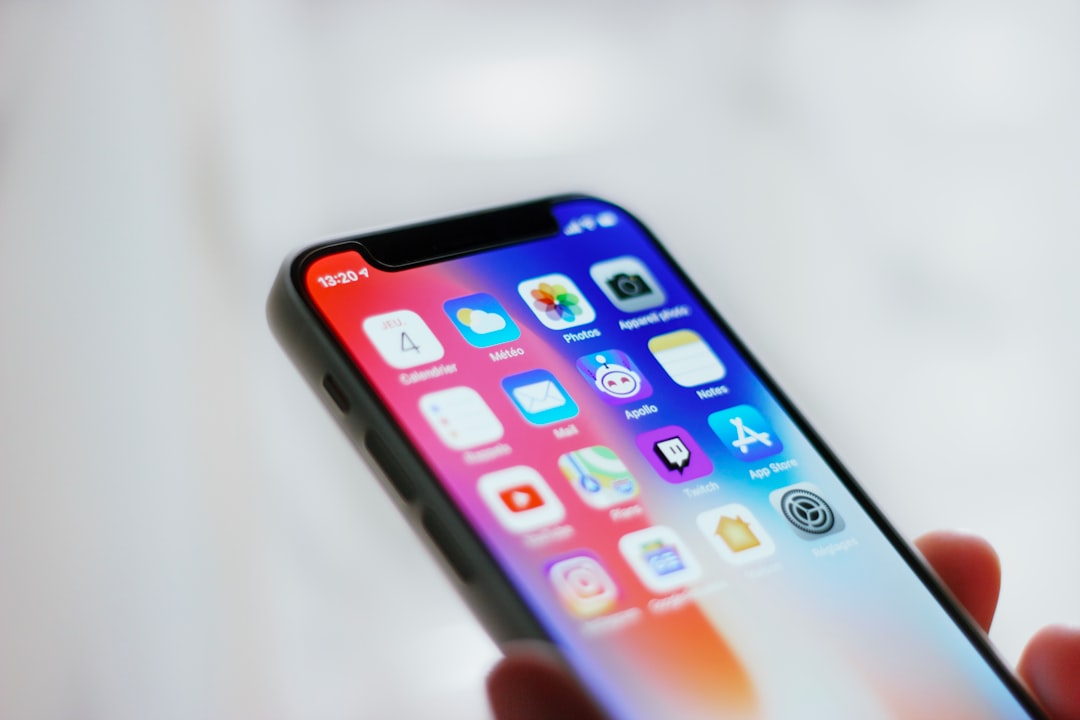
Spam call protection is an increasingly vital aspect of mobile user experience, particularly in densely populated states like Texas. With the proliferation of robocalls, many Texans find their phones inundated with unsolicited messages, posing not only a significant nuisance but also potential risks to privacy and security. According to recent data from the Federal Communications Commission (FCC), Texas ranks among the top states receiving spam calls, underscoring the urgency for effective solutions.
Implementing robust spam call protection strategies is not merely about avoiding annoying interruptions; it's about safeguarding personal information. A prominent approach involves utilizing specialized robocall blocking apps designed to identify and filter out unwanted calls. These applications leverage sophisticated algorithms and machine learning to analyze calling patterns, detect spam signals, and block or redirect such calls. One highly recommended app for Texas users is CallShield, known for its advanced features and compliance with state laws, including the Texas Spam Call law firm regulations.
To ensure maximum efficacy, mobile users should consider a multi-layered strategy. In addition to relying on apps, it's crucial to remain vigilant during call interactions. Reporting spam calls to relevant authorities, such as the FCC or local law enforcement, not only aids in enforcing the Texas Spam Call law but also helps refine the app's detection capabilities over time. Moreover, enabling automated call screening features built into modern smartphones and keeping software updated can significantly contribute to an overall robust defense against robocalls.