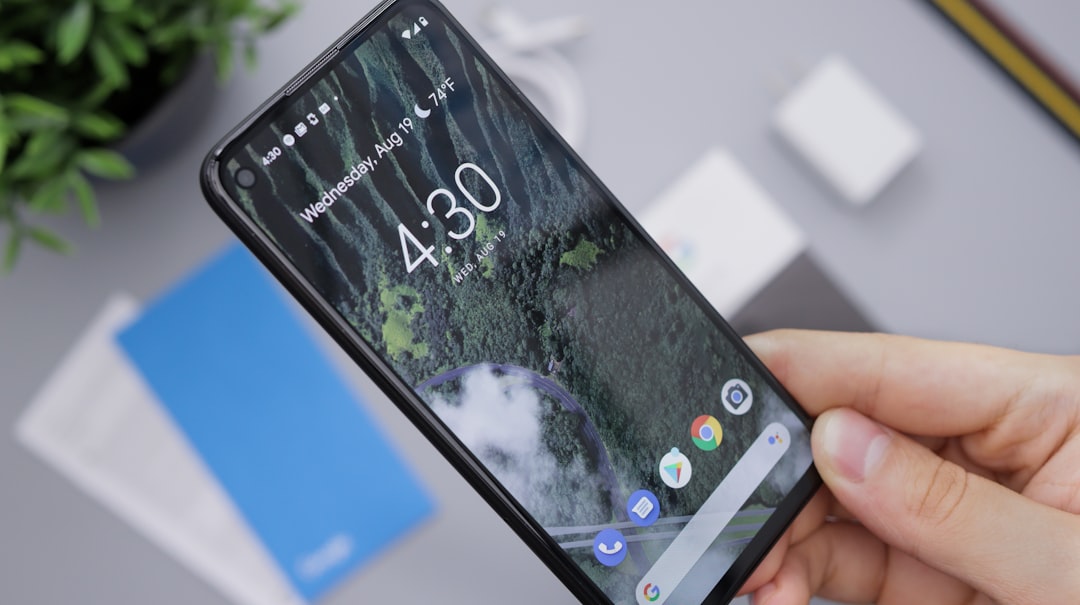
Unwanted robocalls disrupt Texas families' daily lives, with average 3-5 calls per day. The Telephone Consumer Protection Act (TCPA) offers strong protections, including fines of up to $500 per call. Texans can block unwanted calls through the National Do Not Call Registry or specialized apps. Consulting a robocall lawyer Texas is crucial for legal action against repeat offenders. Call blocking apps use advanced algorithms and caller ID databases to identify and block high-risk numbers, enhancing privacy protection.
Texas families face a growing challenge from intrusive robocalls, disrupting daily life and posing privacy risks. These automated phone marketing calls can be relentless, often targeting personal information or trying to sell products and services. With no end in sight, many Texas residents are seeking effective solutions to regain control of their communication channels. This article explores an innovative approach: a powerful app designed to block unwanted calls specifically tailored for Texas families. By leveraging advanced technology, this tool offers a robust defense against robocalls, providing peace of mind and safeguarding personal information with the help of a dedicated robocall lawyer Texas residents can trust.
Understanding Unwanted Calls: A Texas Family's Guide

Unwanted calls, particularly robocalls, are a pervasive issue for Texas families, leading to disrupted routines and heightened stress. Understanding these intrusions is the first step towards reclaiming control. A robocall lawyer Texas can offer specialized guidance, but recognizing patterns and knowing your rights is crucial initially. According to recent studies, Texas residents experience an average of 3-5 unwanted calls daily, with a significant portion attributed to automated marketing campaigns.
These intrusive calls often mask themselves as legitimate business offers or survey invitations, but they can be legally prohibited. The Telephone Consumer Protection Act (TCPA) provides robust protections for consumers against excessive and unsolicited contact. Knowing this federal law’s provisions empowers Texas families to take action. For instance, if a family consistently receives calls from an unknown source promoting products or services, they have the right to file a complaint with the Federal Communications Commission (FCC).
Practical steps include maintaining a detailed call log, noting call patterns, and educating family members about blocking numbers. Many smartphones offer built-in call-blocking features, and there are also dedicated apps designed to identify and stop robocalls. Engaging a robocall lawyer Texas can provide tailored advice, especially in cases of persistent harassment or identity theft. Such legal expertise ensures that families can navigate the complex landscape of telecommunications regulations effectively.
The Legal Perspective: Robocall Laws in Texas

In Texas, robocall regulations are governed by state and federal laws designed to protect citizens from intrusive and unwanted telephone marketing practices. The Telephone Consumer Protection Act (TCPA) serves as a robust framework for regulating automated calls, including those made by robots or artificial voices. This federal law prohibits prerecorded or artificial messages from being sent to mobile phones without explicit consent. Fines for violations can be substantial, reaching up to $500 per call in some cases, with triple damages if it’s proven the calls were willful or knowing.
Texas has also implemented its own robocall laws, further strengthening consumer protections. The state’s Consumer Protection Act includes provisions specifically targeting automated telemarketing calls. These rules require clear and conspicuous disclosure of the caller’s identity and purpose before any prerecorded message is played. Additionally, Texas law allows individuals to block unwanted calls by registering their phone number with the National Do Not Call Registry or using apps designed for this purpose. A robocall lawyer Texas can offer valuable guidance on navigating these legal complexities, ensuring compliance, and protecting residents from abusive calling practices.
For families seeking relief from relentless robocalls, consulting a legal expert is a prudent step. A robocall lawyer Texas can help interpret the law, file complaints with relevant authorities, and even pursue legal action against repeat offenders. By leveraging their expertise, Texans can reclaim control over their communication channels and find lasting solutions to reduce unwanted intrusions. Staying informed about evolving robocall regulations and employing effective blocking measures are key to maintaining a peaceful and undisturbed household environment.
Protecting Your Peace: Implementing Call Blocking Apps

In today’s digital age, Texas families face an unprecedented surge of unwanted calls, from marketing robocalls to persistent sales pitches. This relentless influx can disrupt daily life, creating a constant state of disruption that erodes peace of mind. To reclaim control and protect their personal time, Texans are increasingly turning to call blocking apps as a powerful solution. These innovative tools empower users to silence unwanted callers and reclaim their tranquility.
Call blocking apps offer a sophisticated yet user-friendly approach to managing inbound calls. By employing advanced algorithms and extensive caller ID databases, these applications can identify and automatically block high-risk numbers associated with robocalls or telemarketing scams. For instance, consider the rising prevalence of robocall lawyers in Texas, where aggressive legal solicitation has become a nuisance for many residents. Call blocking apps prove invaluable in filtering out such intrusions, ensuring that only relevant communications reach users’ phones.
Implementing a call blocking app is surprisingly straightforward. Most applications can be downloaded and configured with minimal effort, allowing users to customize their privacy settings according to specific needs. Regular updates to the caller ID databases ensure continued effectiveness against evolving scams. Moreover, some apps offer advanced features like call recording and automated text filtering, providing an additional layer of protection for Texas families seeking to shield themselves from unwanted intrusions into their personal lives.