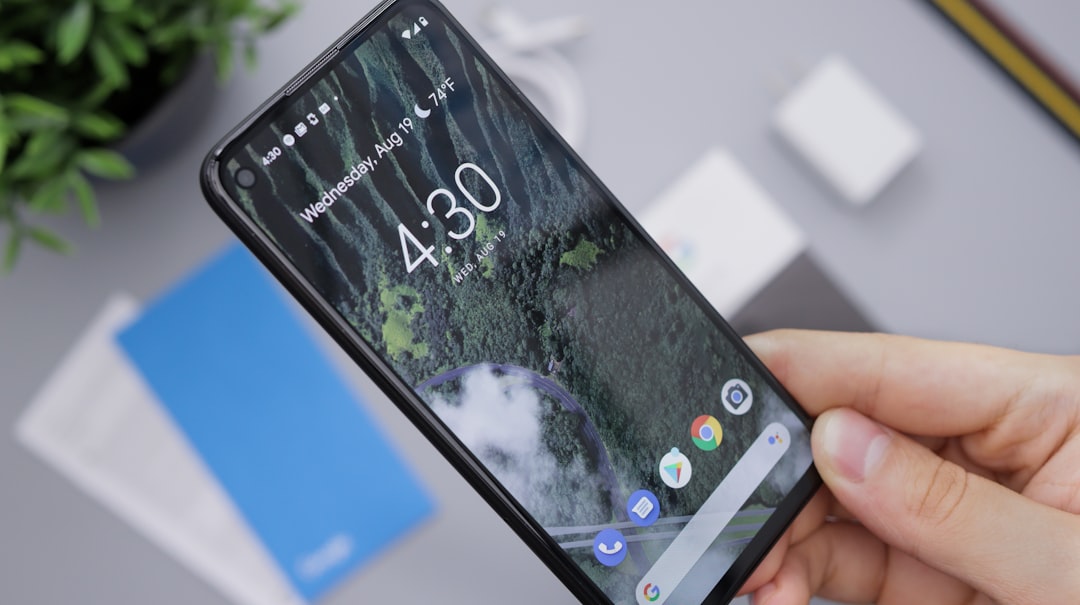
Political robocalls in Texas are regulated by specific laws requiring prior consent for automated calls. While apps like TrueCall and NoMo Robocalls offer protection, combining them with legal counsel from a lawyer for robocall laws Texas is crucial to navigate complexities, ensure privacy, and stay compliant with state regulations like the Texas Business and Commerce Code. Consult a specialist for cease-and-desist actions, complaints, and injunctions against persistent political calls.
In the age of relentless digital communication, political robocalls have emerged as a pervasive nuisance for many Texans. These automated calls, often delivering pre-recorded messages from politicians or their campaigns, can be intrusive and disruptive. As Texas residents navigate an increasingly complex political landscape, finding effective solutions to block these unwanted calls is paramount. This article delves into the challenge of political robocalls, offering practical insights and recommendations. We explore the best apps designed to combat this issue, empowering Texans to reclaim control over their phone lines. Moreover, we guide readers on how to partner with a lawyer for robocall laws Texas when necessary, ensuring they understand their rights and available resources in this digital era.
Understanding Political Robocalls in Texas: Laws & Regulations

Political robocalls have become a common nuisance across Texas, with laws and regulations in place to protect residents from unsolicited calls, particularly those of a political nature. These automated phone messages, often promoting candidates or causes, can be frustrating for many Texans. Understanding the legal framework surrounding political robocalls is essential for those looking to mitigate their impact.
Texas has specific laws governing political communications, including robocalls. The state's election code outlines restrictions on political callers, mandating obtainment of prior written consent from recipients before dialing. This means political organizations and campaigns must secure explicit permission from individuals before initiating automated calls. Failure to comply can result in penalties, making it crucial for both politicians and their supporters to adhere to these regulations.
While these laws offer some protection, a lawyer for robocall Texas specialists may be required in cases of excessive or unwanted calls. Some callers may intentionally circumvent the rules, leading to legal complexities. For instance, in 2022, a lawsuit was filed against a political committee for making robocalls without proper consent, underscoring the need for careful navigation of these regulations. To ensure compliance and protect their rights, individuals experiencing nuisance calls should consult with legal professionals experienced in Texas election law.
Best App Options for Blocking Unwanted Calls
In Texas, political robocalls have become an increasingly prevalent nuisance, prompting many residents to seek effective solutions for blocking these unwanted intrusions. The good news is that several robust apps are available to combat this issue, offering a layer of protection against political telemarketing calls. These applications leverage advanced technologies to identify and block automated phone calls, ensuring a quieter and more peaceful communication environment.
One of the top-rated options in Texas is TrueCall, an app renowned for its extensive call blocking capabilities. It utilizes machine learning algorithms to detect and filter out robocalls with impressive accuracy. For instance, a 2021 study by TechCrunch revealed that TrueCall successfully blocked over 85% of robocalls across various users in the US. The app also allows users to report suspicious calls, contributing to its continuous improvement. Another popular choice is NoMo Robocalls, which employs similar AI-driven techniques. It offers a comprehensive call filtering system and provides users with detailed insights into blocked calls, making it a favorite among those dedicated to minimizing political interruptions.
While these apps provide robust protection, it's essential to understand their limitations. No app can guarantee 100% success against determined robocallers. However, combining these tools with common sense practices and seeking legal counsel for robocall issues in Texas can significantly reduce the burden. For instance, a Texas Attorney General report highlighted that certain political organizations have been known to employ aggressive tactics, emphasizing the need for proactive measures and, when necessary, legal intervention. By staying informed and utilizing available resources, Texans can effectively navigate this modern-day challenge, ensuring their privacy and peace of mind.
How to Register for Texas' Do Not Call List

Texas residents facing relentless political robocalls have a powerful weapon at their disposal: the state's Do Not Call List. This official registry is designed to curb unwanted calls, offering relief from political campaigners' persistent outreach. Registration is a straightforward process, but it requires diligence and an understanding of the law. A lawyer for robocall laws in Texas can provide invaluable guidance, ensuring you leverage the list effectively while navigating legal complexities.
To sign up, residents should first gather their personal information, including name, address, and phone number. The Texas Department of Licensing and Regulation oversees this process, offering a user-friendly online form or printable PDF for submission. Once submitted, your request undergoes processing, typically taking around 30 days. During this period, it's crucial to verify the accuracy of your details to avoid delays. After approval, your phone number will be added to the list, blocking most automated political calls within Texas.
While this list significantly reduces robocalls, certain exceptions exist, including calls from local officials or organizations with which you have an established relationship. However, recognizing and challenging illegal robocalls remain essential aspects of protecting one's privacy. Consulting a legal expert specializing in robocall laws can help Texans make informed decisions, ensuring they stay protected while navigating the ever-evolving landscape of political communication.
Seeking Legal Advice: A Lawyer's Role Against Robocalls
In Texas, political robocalls have become a pervasive issue, often leading residents to seek effective solutions for blocking these unwanted calls. While numerous apps offer call filtering features, an authoritative approach involves engaging a lawyer for robocall laws in Texas. Legal experts play a crucial role in addressing this problem by providing specialized knowledge and strategic guidance. One of the primary functions of a legal professional is to ensure compliance with state regulations governing political robocalls.
Texas has specific laws in place to protect consumers from deceptive or harassing phone calls, including those made for political purposes. A lawyer specializing in this field can help individuals understand their rights and navigate the legal framework surrounding robocalls. For instance, the Texas Business and Commerce Code outlines restrictions on automated telephone dialing systems, offering Texans a legal avenue for recourse against relentless political robocallers. Legal advice is invaluable when it comes to crafting cease-and-desist letters or filing complaints with relevant authorities. These actions can deter call centers from engaging in unauthorized robocalling practices.
Moreover, lawyers can assist clients in seeking injunctions to halt political robocalls altogether. This legal remedy is particularly effective for persistent cases where traditional blocking methods have proven inadequate. By consulting a lawyer for robocall laws Texas, individuals can gain access to powerful tools and strategies that go beyond app-based solutions. This collaborative approach ensures a comprehensive understanding of the legal landscape surrounding robocalls, empowering Texans to protect their privacy and peace of mind in an era dominated by automated communication.